
Moscow, Berlin, Singapore, Washington DC, London. The radio’s are still working, but there is no one left to use them. The only confirmed safe haven is Eden-Nadir, an island off the coast of the United States of America and headquarters to Thanatos Pharmaceuticals.
Thanatos pioneered a miracle treatment, designed to be a universal cure for deadly diseases such as AIDS, Cancer. However, the best of intentions became the worst of consequences when it was released that the cure had a devastating side effect. The fungi used in the engineered cure (Ophiocordyceps unilateralis) began uncontrollably spreading through the bodies of its hosts. Upon reaching the brain, it would feed and destroy the parts responsible for cognition. Only by keeping part of the host’s brain alive, the malignant fungal infection would control it’s host with the singular interest of proliferating its noxious spores.
If you want to have access to ALL DLC cosmetics, outfits and skins in one go, then join the VIP Club for immediate access to all current and future cosmetic content in the store or from in-game events as they are released.

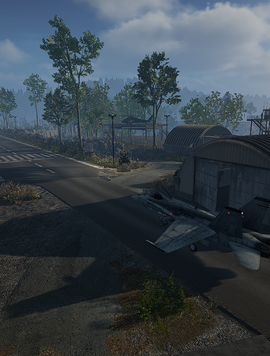
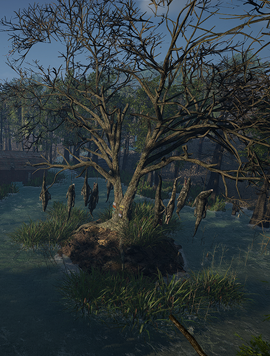
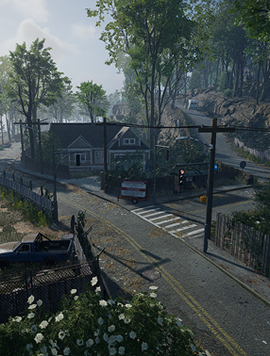
The open-world of Eden-Nadir covers a 66.95km² (41.6 mile²) area of woodlands, fields, marshlands, towns, villages and cities. This is all open for exploration and a potential place to set up camp and call home.







While surviving on the islands of Eden-Nadir you will come across many different people that you can interact with. Not all will be friendly and some you may have to earn their trust.
Click on the profile images to display additional information about the selected character

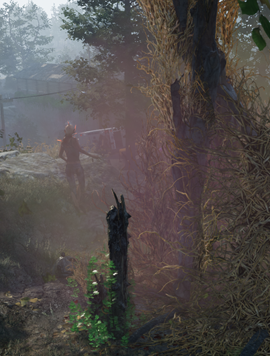


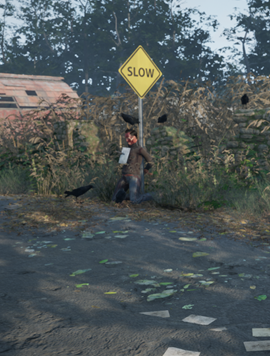






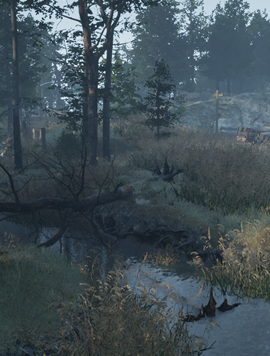




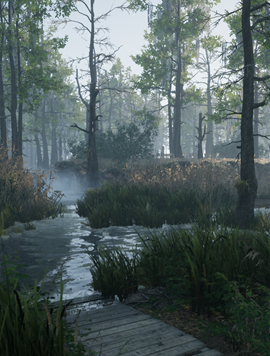
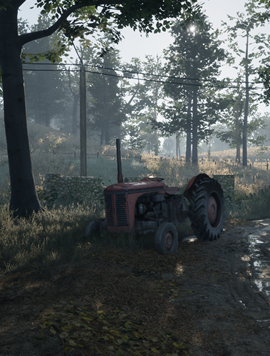




Jaws of Extinction is in Early Access development right now! Take a look at what we have in the pipeline and what you can expect to see in the future.
As an indie development team, we strive to encourage all players to get involved with the active development, with ideas and feedback. You can do that by joining our Discord server where the developers are always available to chat.
Join Community
Indian lifestyle and cooking traditions are deeply intertwined, reflecting a "tapestry of flavors, aromas, and colors" rooted in centuries of heritage . The lifestyle centers on family, regional identity, and a profound connection to the land and its seasons. Chef Akila Core Cooking Traditions Indian culinary practices prioritize fresh, natural ingredients and complex spice blends. Chef Akila The Spice Box (Masala Dani) A staple in every home, containing essentials like cumin, mustard seeds, turmeric, and chili powder. Key Techniques: Tadka (Tempering) Spluttering spices in hot oil to release essential oils. Dum (Slow Cooking) Sealing a pot to cook food in its own steam. Using clay ovens for breads like naan and smoked meats. Sautéing spices and meat over high heat to create deep, concentrated flavors. Tilda Rice Lifestyle and Dining Customs Food is more than sustenance; it is a ritual that defines daily life. Typical Meal Structure: A balanced meal usually includes a starch (rice or wheat-based bread), vegetable or meat curries, lentils (dal), and tangy chutneys. Communal Eating: Traditionally, meals are eaten with the right hand, symbolizing a sensory connection to the food. Regional Diversity: Lifestyles vary from urban tradesmen to rural farmers, with coastal regions focusing on fish and coconut, while the north leans toward dairy and wheat. Traditional Attire: Daily life often involves regional dress like the for women and Association for Asian Studies Modern vs. Traditional Practices While modern Indian life incorporates global influences and technology, traditional methods—like using stone grinders or clay pots—are still cherished for their ability to preserve authentic flavors. or more details on Indian festivals and their traditional foods Exploring Indian Culture through Food - Association for Asian Studies
Indian Lifestyle and Cooking Traditions: A Holistic Symphony 1. The Philosophical Foundation: Ayurveda and the Concept of Balance Indian lifestyle and cooking are inseparable from Ayurveda , the ancient system of holistic medicine. The core belief is: “You are what you digest” (not just what you eat).
The Three Doshas (Energies): Every individual has a unique balance of Vata (air/space), Pitta (fire/water), and Kapha (water/earth). Food is used to correct imbalances. The Six Tastes (Shad Rasa): A complete Indian meal aims to include all six tastes in every main meal: Sweet, Sour, Salty, Bitter, Pungent, and Astringent. This ensures satiety and nutritional completeness. Seasonal Eating: Eating cooling foods (cucumber, melon, yogurt) in summer and warming foods (ghee, nuts, spices like cinnamon and cloves) in winter is a household norm.
2. The Daily Indian Lifestyle Rhythm (Dinacharya) A traditional Indian day is structured around nature’s cycles, heavily influencing meal times. desi aunty outdoor pissing full
Sunrise (Brahma Muhurta – 4:00-6:00 AM): Waking up, drinking a glass of warm water (often with lemon or turmeric), yoga/meditation, and bathing. Morning Meal (8:00-9:00 AM): A moderate breakfast. Not typically a large “protein-heavy” Western breakfast. Examples: Poha (flattened rice), Upma (semolina porridge), Dosa (fermented rice crepe), or Paratha (stuffed flatbread). Midday – The Main Meal (12:00-1:00 PM): Lunch is the largest meal of the day, eaten when the digestive fire ( Agni ) is strongest. It includes a grain (rice or roti), protein (lentils/legumes), vegetables, pickle, and a side of yogurt or buttermilk. A short rest ( Vishrama ) often follows. Evening (4:00-5:00 PM): A light snack with tea ( Chai – spiced milk tea) and a savory biscuit or samosa . Night Meal (7:00-8:00 PM): Dinner is lighter than lunch, ideally eaten before sunset or at least 2-3 hours before sleep. Soups, stews ( Khichdi – rice & lentil porridge), or leftover vegetables with bread.
3. Core Cooking Traditions & Techniques Indian cooking is not about speed; it is about layering flavors and using time-honored techniques. The Holy Trinity of Indian Cooking
Tadka (Tempering): Whole spices (mustard seeds, cumin, dried red chilies, curry leaves) are fried in hot oil or ghee at the very beginning or end of cooking to release essential oils. Bhuno (Sautéing): The slow, patient frying of onions, ginger, garlic, and tomato paste until the oil separates from the masala. This is the foundation of most curries. Dum (Slow Cooking): Cooking in a sealed pot (often with a dough seal) over low heat. Famous for Biryani and Dal Makhani . Chef Akila The Spice Box (Masala Dani) A
Essential Cooking Vessels
Kadhai (Wok): Used for frying, sautéing, and making curries. Tawa (Griddle): For making flatbreads (roti, paratha, dosa). Sil-Batta (Stone Grinder): A traditional mortar and pestle used to grind fresh spice pastes – considered superior to electric grinders as the stone does not generate heat, preserving aroma. Earthenware (Handi): Clay pots. They add an earthy flavor, retain heat well, and are used for slow-cooked lentils and meats.
The Spice Box (Masala Dabba) Every Indian kitchen has a round stainless steel box containing 7-8 essential whole spices: Cumin seeds, mustard seeds, turmeric powder, red chili powder, coriander powder, asafoetida (hing), and garam masala. 4. Regional Variations: A Subcontinent of Flavors India’s geography creates four distinct culinary zones: | Region | Climate | Staple | Signature Dish | Cooking Fat | | :--- | :--- | :--- | :--- | :--- | | North (Punjab, Delhi) | Cool winters | Wheat (Roti/Paratha) | Butter Chicken, Sarson da Saag | Ghee, Butter | | South (Tamil Nadu, Kerala) | Tropical, humid | Rice | Dosa, Sambar, Fish Curry | Coconut oil | | East (Bengal, Odisha) | Riverine, coastal | Rice & Fish | Machher Jhol (Fish curry), Rosogolla | Mustard oil | | West (Gujarat, Rajasthan) | Arid, desert | Millet (Bajra) | Dal Baati Churma, Dhokla | Peanut oil, Buttermilk | 5. The Etiquette of Eating: A Communal Affair Using clay ovens for breads like naan and smoked meats
Eating with Hands: In many parts of India, food is eaten with the right hand. The fingers are used to feel the temperature and texture, and to combine the curry and rice perfectly. It is believed to engage all five senses and improve digestion. Thali (The Platter): A large stainless steel plate with multiple small bowls ( katori ). A typical thali contains: a grain (rice/roti), a dal (lentil), a vegetable curry, a dry vegetable, a pickle, a chutney, a papadum, and a dessert. No Cross-Contamination: Traditionally, different items are not mixed arbitrarily. You eat a bit of rice with a bit of dal, then a separate bite of rice with vegetable. Feeding Guests: The Sanskrit saying "Atithi Devo Bhava" (The guest is God) means hosts will force-feed guests seconds and thirds. Refusing initially is polite, but eventually accepting is respectful.
6. Festivals & Fasting: Sacred Cycles Festive Cooking (Prasadam) Food offered to a deity becomes Prasadam (blessed food).
Know Your Enemy Creations, taking the game further.
At KYE Creations, we contribute 1.5% of all revenue made through playjoe.gg to carbon removal, for more information
click here


2016-2026 KYE Creations. All Rights Reserved - Know Your Enemy Creations Limited (Reg: 12575078)
Developed by Know Your enemy Creations Limited. “KYE”, “KYE CREATIONS”, “Know Your Enemy”, “Jaws of Extinction” (UK00003874004) and the KYE Creations “KYE” logo are all trademarks and/or registered trademarks of Know Your Enemy Creations. All rights reserved. Published by Forthright Entertainment LLC. Jaws of Extinction © 2016 - 2026 Ryan Thirlwall, KYE Creations. All Rights Reserved.